
GST on clothes in 2026: 5% up to ₹2,500, 18% above, and how to bill it right
By the Ezzy ERP team · · 6 min read
Quick answer: GST on clothes in 2026 is 5% when a piece sells for ₹2,500 or less, and 18% when it sells for more. The rate is decided for each piece, after any discount on the bill. Footwear follows the same ₹2,500 rule per pair.
This has applied since 22 September 2025. Before that the line was ₹1,000, with 5% below it and 12% above, so a shirt sold at ₹1,800 now carries 5% instead of 12%.
The rule is simple to state but easy to get wrong at the counter, because the slab depends on the value of each piece, not the bill, and discounts can move a piece from one slab to the other. This guide explains how it works and how to set up your billing so every line gets the right rate.
हिंदी में पढ़ें: कपड़ों पर कितना GST लगता है 2026
GST calculator: 5% or 18% on your piece?
Enter the price of one piece. The slab is checked on its value after discount, not on the bill total.
- GST rate
- 5%
- Value before GST
- ₹1,903.81
- GST
- ₹95.19
- Customer pays
- ₹1,999.00
Rates as notified from 22 September 2025. Confirm the HSN code and rate of each product with your CA.
Ezzy ERP picks the right slab on every bill line, after discount. Book a free demo →
The GST rates on clothing at a glance
| What you sell | HSN chapter | Up to ₹2,500 | Above ₹2,500 |
|---|---|---|---|
| Knitted garments: T-shirts, innerwear, sweaters | 61 | 5% | 18% |
| Woven garments: shirts, trousers, kurtas, suits, blazers | 62 | 5% | 18% |
| Made-up textiles: bedsheets, curtains, towels | 63 | 5% | 18% |
| Footwear (per pair) | 64 | 5% | 18% |
Rates as notified from 22 September 2025. Fabric, yarn and some specific items have their own rates, so confirm the HSN code and rate of each product with your CA.
Examples: shirts, kurtas and blazers
Prices below are the selling price per piece before GST.
| Item | Selling price | GST rate | GST |
|---|---|---|---|
| Cotton shirt | ₹1,200 | 5% | ₹60 |
| Jeans | ₹2,400 | 5% | ₹120 |
| Kurta tagged ₹2,800, sold at 20% off | ₹2,240 | 5% | ₹112 |
| Blazer | ₹3,200 | 18% | ₹576 |
| Sherwani | ₹8,000 | 18% | ₹1,440 |
The slab is decided per piece, not per bill
A customer buying four shirts at ₹900 each pays 5% on every shirt, even though the bill total is ₹3,600. A customer buying one blazer at ₹3,200 pays 18% on that blazer, even if the rest of the bill is socks and handkerchiefs at 5%.
So one bill can, and often will, carry two GST rates. Your billing software has to decide the rate line by line from the value of that piece, not apply one rate to the whole bill.
What a discount does to the slab
GST is charged on the value at which you actually sell the piece. When a discount is given on the bill itself, at the time of sale, the slab is checked on the price after the discount.
A kurta tagged at ₹2,800 and sold with 20% off goes for ₹2,240. At that value it falls in the 5% slab, not 18%. In a sale season this matters on every bill, so the rate must be worked out after the discount, line by line.
- Show the discount on the invoice against the item, so the value that sets the slab is clear.
- Do not apply a bill-level discount and then use the tag price to decide the rate. That over-charges GST.
- Discounts given later, such as a year-end scheme from the brand, are settled by a GST credit note. See GST changes from 1 November 2026.
MRP that already includes GST
Most clothing is sold at an MRP that includes tax. To find the value the slab is checked on, take the GST out of the price first.
At 5%, a piece priced up to ₹2,625 including GST has a value of up to ₹2,500 (₹2,625 ÷ 1.05), so it stays in the 5% slab. Above that, the piece is taxed at 18%.
Prices just above ₹2,625 create an odd zone: at 18% the value before tax comes out below ₹2,500 again. Shops and tax experts treat this zone differently, so agree a rule with your CA and set your software to follow it. Many shops simply avoid tag prices in this band.
Example: a shirt with MRP ₹1,999 including GST. Value before tax = 1,999 ÷ 1.05 = ₹1,903.81. GST at 5% = ₹95.19.
How to set this up in your billing software
Doing this by hand at a busy counter is where mistakes happen. Good garment billing software handles it for you:
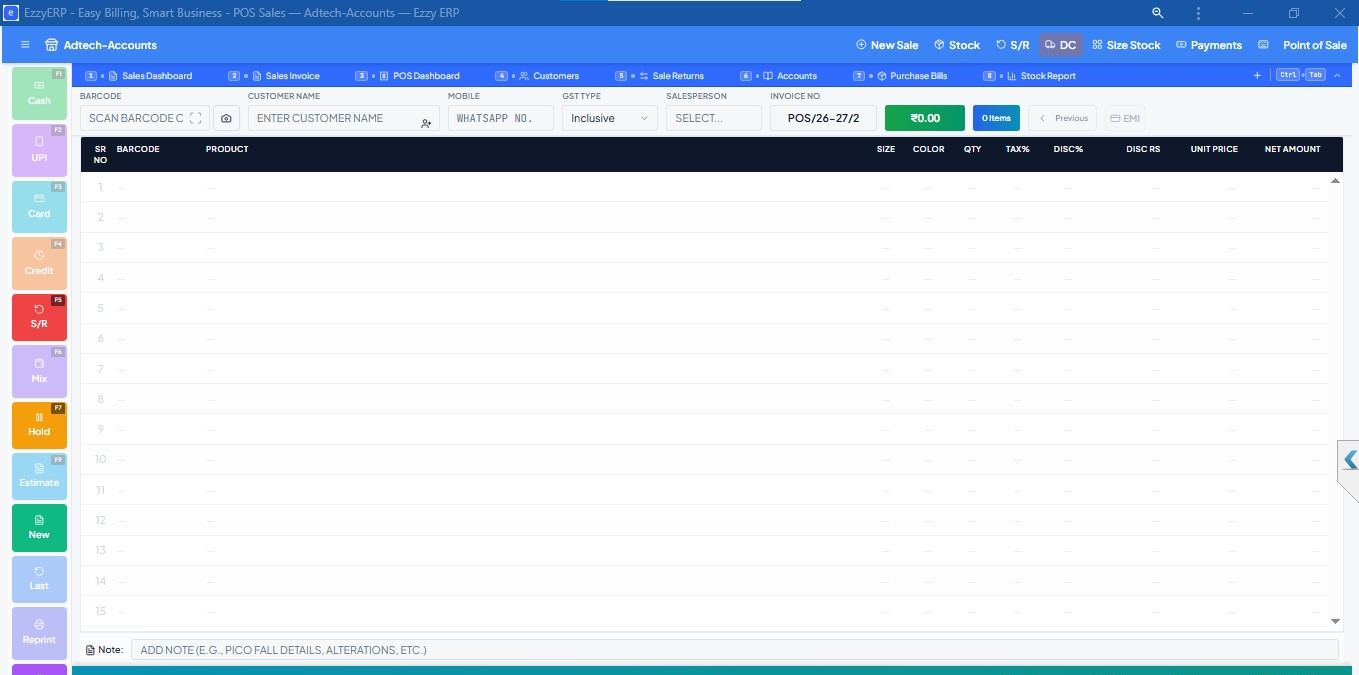
- Every product line carries its own HSN code and GST rate, so a bill can mix 5% and 18% items.
- The rate is picked from the selling value of each piece, after the line discount, using the ₹2,500 rule.
- MRP-inclusive pricing is supported, with GST worked out inside the price.
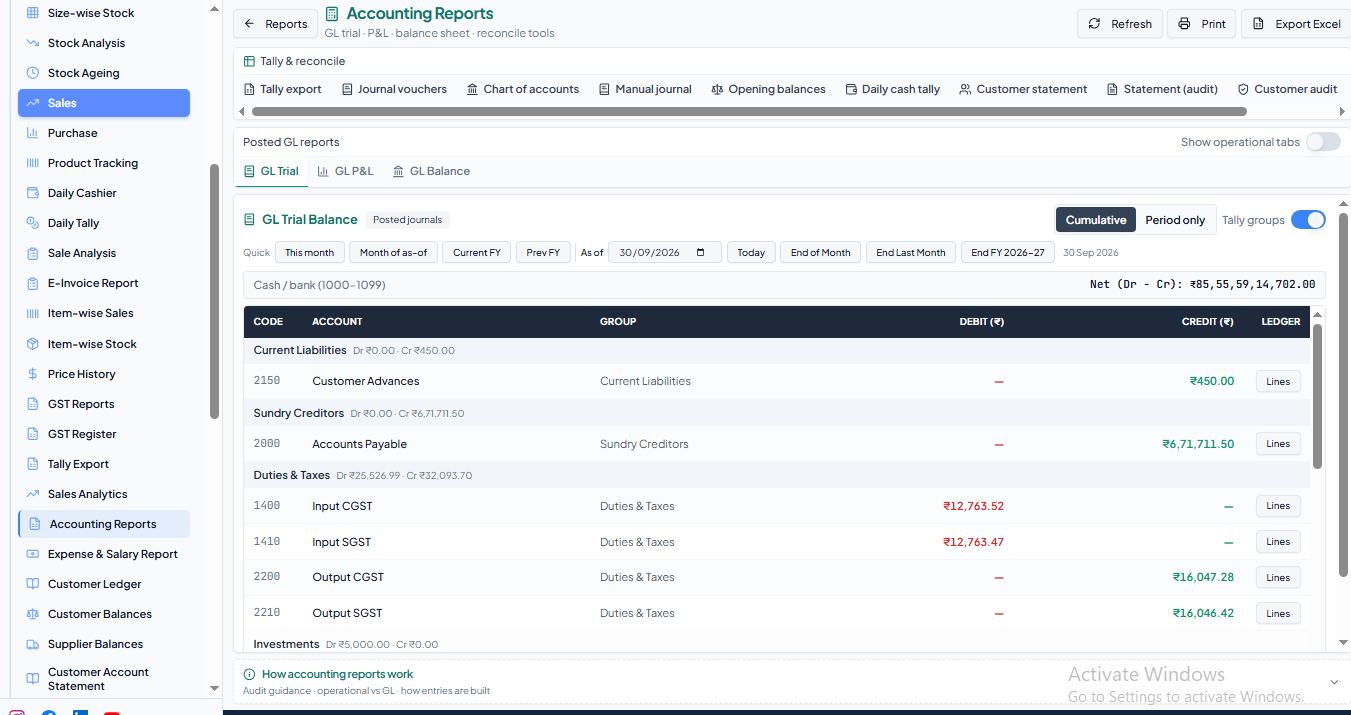
- The GST register and returns summary show sales split by rate at the end of the month, ready for your accountant.
A quick checklist for your shop
- Check the HSN code and rate of every product category with your CA, once.
- Re-check items tagged between ₹2,400 and ₹3,000, where the slab can change with a small discount.
- Train counter staff to give discounts on the bill line, not in cash after the bill.
- At month end, compare 5% and 18% sales in the GST register before filing.
Frequently asked questions
What is the GST on clothes above ₹2,500?
Readymade garments with a sale value above ₹2,500 per piece are taxed at 18% GST, from 22 September 2025. Pieces up to ₹2,500 are taxed at 5%.
Is the ₹2,500 limit per bill or per piece?
Per piece. A bill can have some items at 5% and others at 18%, depending on the value of each piece.
Does a discount change the GST rate on clothes?
Yes, when the discount is given on the invoice at the time of sale. The slab is checked on the value after the discount, so a ₹2,800 piece sold at ₹2,240 is taxed at 5%.
What was the GST on clothes before September 2025?
5% for a piece up to ₹1,000 and 12% above ₹1,000.
Is GST on clothes above ₹1,000 still 12%?
No. The 12% slab for clothing was removed from 22 September 2025. Clothes up to ₹2,500 per piece now carry 5%, and above ₹2,500 carry 18%.
What is the GST on shirts?
5% if the shirt sells for ₹2,500 or less, and 18% if it sells for more. The same rule applies to T-shirts, trousers, kurtas and other readymade garments.
What is the HSN code for readymade garments?
Knitted garments fall under HSN chapter 61 and woven garments under chapter 62. Made-up textiles such as bedsheets fall under chapter 63. Use the full code for each product as advised by your CA.
Can billing software apply 5% and 18% automatically?
Yes. Garment billing software such as Ezzy ERP keeps a GST rate on every bill line, so one bill can carry both rates, and the GST register splits sales by rate for filing.